When one of the defining moments of a nation’s history has three distinct names, controversy forces people to choose sides. Choose carefully between Campaña del Desierto, Expedición al Desierto or Conquista del Desierto… it reveals a lot about your political beliefs.
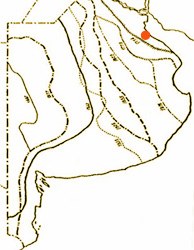
For most of the history of Buenos Aires, it was connected only to other cities upstream from the Tigre Delta. At odds with the indigenous people to the south, the Spanish began to carve out extra territory for themselves as did Argentines after independence. By the 1870s, successive campaigns had re-drawn the southern limit of the nation & gradually pushed it west at the same time. The map below shows these waves of expansion as they moved further away from the red dot of Buenos Aires:
In an effort to raise government funds & acquire new territory, the nation put all land south to the Río Negro up for sale. Fewer than 300 families purchased estates that added an important expanse to Argentina. The sale also concentrated national power in the hands of a few. The only problem was that the land sold by the national government was not technically theirs… yet. Various indigenous tribes were living there, so the Minister of War was sent to “deliver” the land to its new owners.
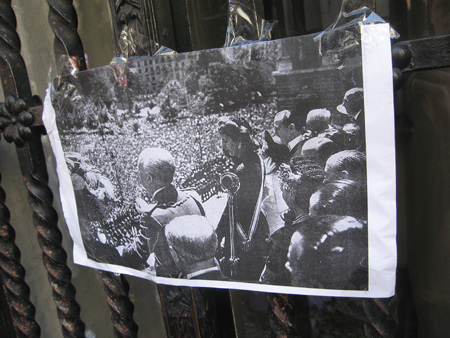
In 1879, Julio Argentino Roca marched the Army into indigenous territory with modern weapons & killed an estimated 4,000 during the course of the fighting. About 14,000 were taken prisoner, marched to Buenos Aires while shackled, & separated based on sex. Some were used as conscript labor & some were jailed, but the end result was akin to genocide. Roca’s tactics also stopped a persistent problem of raids on cattle ranches & farm land. Capitalizing on his military success to launch a long political career, Roca was elected President in 1880.
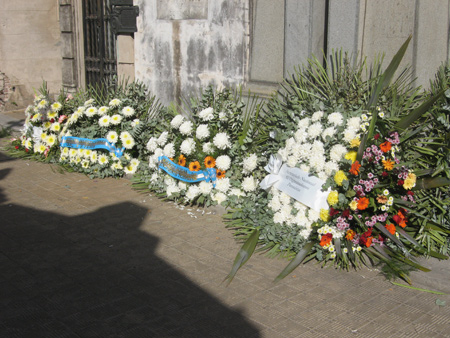
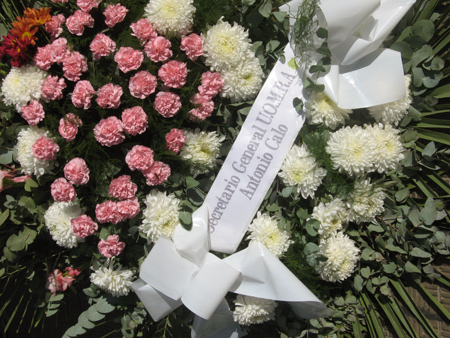
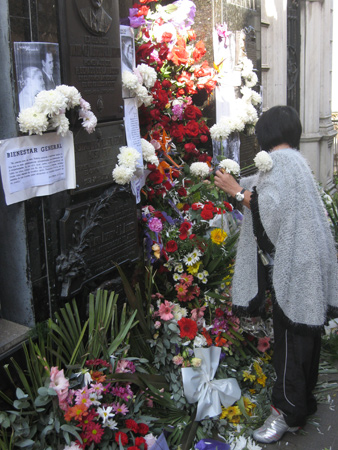
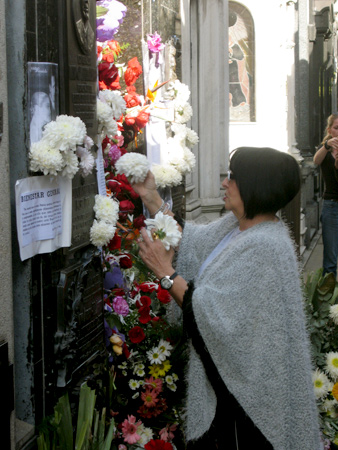
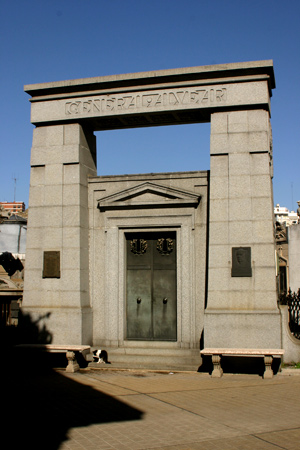
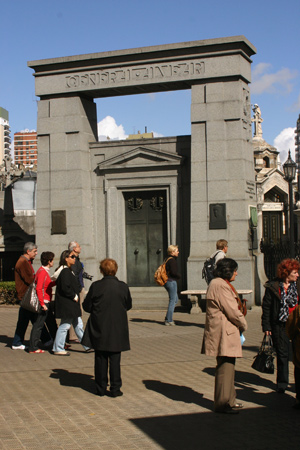
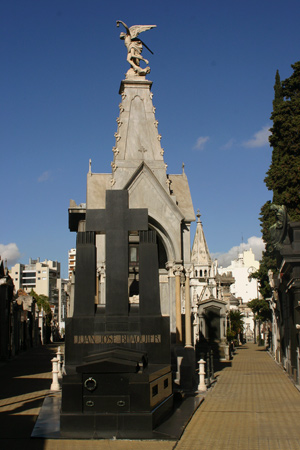
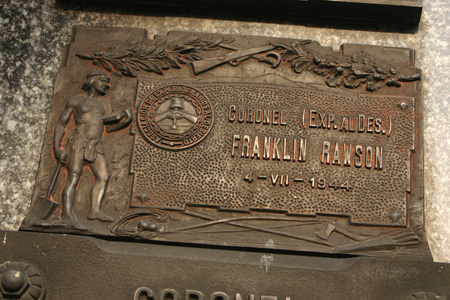
Call it what you will, the fact that European immigration was desired just as enormous tracts of land needed to be worked made Argentina what it is today. Many of the upper-ranking officers who participated in this event are buried in Recoleta Cemetery… just pay attention to the plaques. From my point of view, these images are so politically incorrect that they would be funny if it weren’t so tragic.
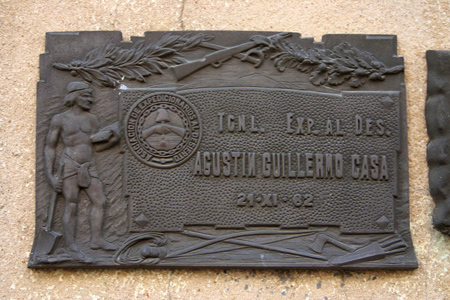
A gun & sword top an entire array of indigenous weapons: a quiver of arrows, a hatchet, a lance, a bow & even a boleadora. In exchange for leaving the instruments of war aside, an indigenous man can now work the land with a shovel & improve his intellect by reading. No further comment necessary.